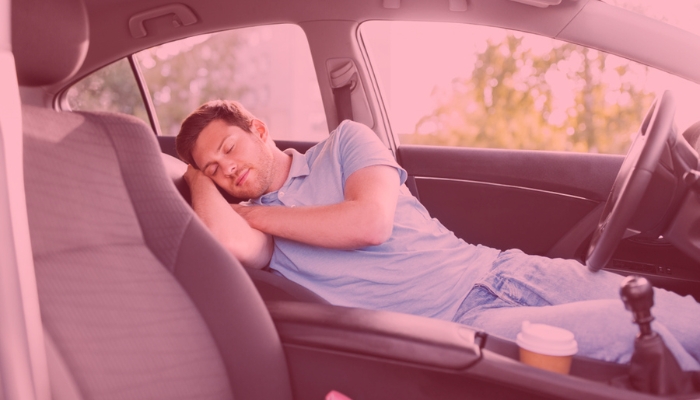
DUI in parked car cases are real in Philadelphia, Pennsylvania — and yes, you can be charged even if you never moved an inch, if police believe you were in “actual physical control” of the vehicle.
A Parked Car DUI is Real in Philadelphia, Pennsylvania
Quick truth: in Philadelphia, Pennsylvania, you can be charged with DUI even if your car is parked, if police believe you were in “actual physical control” of the vehicle. Why people get blindsided: they think “I wasn’t driving” ends it. In PA, it doesn’t always. What this guide covers: how “actual physical control” works, what facts trigger arrests, private property vs public roads, penalties, and smart defense angles.
If you’re being investigated or already charged, talk to a DUI lawyer in Philadelphia immediately — parked car cases turn on small facts that need to be locked down early.
Can You Get a DUI in a Parked Car in Philadelphia, Pennsylvania?
The core issue: “Actual Physical Control”
Here’s the plain-English version: prosecutors don’t always need to prove you were actively driving at the moment police found you. Instead, they argue you had the ability to drive right then, or that the surrounding facts suggest you recently drove.
That’s why parked car DUIs often come down to what the scene looks like — not what you intended to do.
What counts as “parked” doesn’t always help
“Parked” isn’t a magic shield. Sleeping it off, sitting in the driver’s seat, or turning the car on for heat or AC can still create risk depending on the facts. If the situation looks like you could drive quickly, police may treat it as “control,” even if you were trying to do the responsible thing.
“Actual Physical Control”: The Factors Courts and Police Focus On
Where you are sitting matters
Your seat position is one of the first things that gets written into the report. Driver seat usually creates the most trouble because it’s the easiest story for the Commonwealth: you were positioned to operate the vehicle. Passenger seat or back seat can help, but it’s not automatically a free pass — it’s just one factor.
Where the keys are can make or break the case
Keys are a big deal because they connect you to the ability to start the car.
- Keys in the ignition: looks like immediate control.
- Keys in your hand or pocket: still a “ready to drive” argument.
- Keys within reach (console/cup holder): prosecution will say you could start the car quickly.
- Keys not accessible: can be a strong defense fact, depending on everything else.
Engine status: off vs on is a big deal
An engine running (even “just for heat”) is commonly cited as evidence of control. The Commonwealth’s logic is simple: if the car is on and you’re in the driver’s seat with access to keys, you’re one decision away from movement. Engine off helps, but it doesn’t automatically end the case if other factors point toward control.
Vehicle location: where it’s parked changes the narrative
Where the car is located affects how easy it is to argue “recent driving” or “ability to drive.”
- Roadway/shoulder: looks like a pull-over situation, and police often assume you drove there.
- Parking lot: still risky, but there may be more room to argue you weren’t driving on public roads.
- Driveway: can help contextually, but it doesn’t eliminate DUI exposure in Pennsylvania.
Private Property vs Public Roadway in Philadelphia, Pennsylvania
Private property: not a free pass
Parking lots, campuses, driveways, and garages can still lead to DUI charges. Pennsylvania DUI law doesn’t neatly separate “public road” from “private property” the way most people assume. If police believe you were in actual physical control, the location alone usually won’t save you.
Public roadway: higher risk of arrest and stronger inferences
Public streets, shoulders, and highways raise the stakes. Police assume the car got there by driving, and that assumption gets baked into the report early. That can make the “you weren’t driving” argument harder unless the facts clearly support it.
Common Parked Car DUI Scenarios That Trigger Arrests
Sleeping in the driver’s seat
Officers often interpret this as: you were about to drive, recently drove, or were in control. Defense-friendly facts can include where the keys were, whether the engine was off, where you were parked, and whether there’s any objective evidence of recent driving.
“I started it for heat”
This explanation is common — and it can backfire because it confirms the car was running under your control. What matters more than your intent is what the situation looks like: engine running + driver seat + keys accessible is exactly what police rely on.
Keys present and open containers visible
Visible containers, admissions, and items associated with drinking escalate the encounter fast. Even if an open container issue is separate from DUI, it often gives police more reason to dig in, question you longer, and build an impairment narrative.
Warm engine and “someone saw you driving”
These details show up in reports because they support the idea that you recently drove. Warm hood/tires, witness statements, and “the car was parked somewhere it had to be driven to” are all arguments the Commonwealth uses to connect the dots.
What Police Look For During Parked Car DUI Encounters
The impairment checklist they’re building
Officers typically document the same bucket of observations: odor, speech, eyes, coordination, confusion, and admissions. Those notes are used to justify expanding the encounter, requesting tests, and building probable cause — even if nobody saw you drive.
Statements that commonly get used against drivers
“I’m fine to drive,” “I just pulled over,” “I only had a couple,” or “I was going to sleep it off” can all get spun against you. In practice, the less you say, the less they have to interpret. Calm, minimal communication protects you better than trying to talk your way out of it.
Your Rights in a Parked Car DUI Stop
What you must do
You generally must provide basic identification and cooperate with the basics of the stop. In practice, that usually means:
- Driver’s license (or ID if you don’t have a license on you)
- Registration and proof of insurance if you’re operating the vehicle (and requested)
- Following lawful instructions like staying put, stepping out, or keeping your hands visible
Basic compliance keeps the situation from escalating into “obstruction” drama that helps nobody.
What you are not required to do
You are not required to talk your way through the night. You don’t have to:
- Answer “How much did you drink?” or “Where were you coming from?”
- Volunteer details about bars, friends, timing, or “I was just resting”
- Guess times, amounts, or explain yourself into a contradiction
In parked car cases, your words often become the missing “proof” the Commonwealth needs.
Searches and consent
If an officer asks, “Mind if I take a look?” that’s usually a consent request. And “sure, go ahead” can create evidence that didn’t need to exist:
- Open containers you forgot about
- Items someone else left in the car
- Smell-based claims that become “probable cause”
- A cleaner narrative for the report
If they have legal authority, they’ll search anyway. If they don’t, your consent can hand them the case.
Field Sobriety Tests and Chemical Testing: How They Fit in Parked Car Cases
Field sobriety tests: how they’re used in Philly, Pennsylvania
Field sobriety tests are used to build the story: “impaired = DUI.” Officers push them because:
- They create more “observations” to write down
- They’re recorded sometimes (and sometimes not)
- They help justify arrest even without driving evidence
The problem is they’re not a clean science experiment. Footwear, uneven pavement, nerves, fatigue, injuries, and cold weather all matter. In parked car cases, FSTs often become the bridge from “parked” to “arrested.”
Breath or blood testing: what it changes
Chemical testing can drastically change the case.
- If you test, the result can place you into BAC tiers (which drives penalties and license consequences).
- If you refuse, refusal can trigger its own serious PennDOT consequences and can increase your exposure even if the criminal case is still being fought.
Either way, chemical testing becomes a major leverage point: it affects tiers, sentencing risk, license status, and what defenses are realistic.
Penalties and Collateral Consequences
Criminal penalties depend on tier and history
In Pennsylvania, DUI penalties scale fast based on:
- General impairment vs. high BAC vs. highest BAC / drug DUI
- Prior history (including prior ARD in many situations)
- Refusal and other enhancements
That tier drives the real pain: mandatory minimums, jail exposure, longer suspensions, treatment requirements, and whether ignition interlock becomes part of the path back to driving.
The hidden damage: license, work, insurance
The court case is only half the problem. PennDOT consequences can move on a separate track:
- License suspensions and restoration requirements
- Interlock requirements in certain situations
- Fees, classes, treatment, paperwork deadlines
And while the criminal case is pending, real life still happens: getting to work, keeping a job that requires driving, insurance spikes, and background issues. People lose months because they assumed “nothing happens until court.”
Defense Strategies: How a Parked Car DUI Can Be Fought
Attack “actual physical control”
This is the heart of a parked car DUI case. A strong defense focuses on facts that weaken “control,” like:
- No practical access to keys (or keys not within reach)
- You weren’t in the driver’s seat
- Engine off and no objective evidence of movement
- A credible alternative explanation for why you were there (and how the car got there)
- No witness proof, no video proof, no physical signs of recent driving
Intent alone isn’t enough — but strong facts that don’t look like “ready to drive” can matter a lot.
Challenge the police encounter itself
Parked car cases often start with an “approach” that turns into a detention and then an investigation. That chain matters:
- Did police have a lawful reason to escalate from welfare check to DUI investigation?
- Did the encounter expand without proper legal justification?
- Was the detention longer than necessary?
- Did the officer rely on vague, recycled language (“odor,” “glassy eyes,” “admission”) without real support?
If the stop or expansion was unlawful, suppression becomes a real path.
Challenge testing and documentation
A parked car DUI is often only as strong as the paperwork and procedure.
- Testing procedures, timing, and chain of custody (especially blood)
- Missing video, incomplete documentation, inconsistent narratives
- Report language that doesn’t match objective facts
- Gaps between what was claimed and what can actually be proven
A lot of “strong” DUI cases get weaker when you force the Commonwealth to prove every step.
What To Do If You’re Worried You Could Be Charged
Safer choices that reduce risk
If you’re trying to avoid a DUI situation, avoid creating “control” facts:
- Don’t sit in the driver’s seat if you’re not driving
- Keep keys out of reach (not in ignition, not in your lap, not in the console)
- Avoid running the engine for heat/AC if possible — it’s commonly used as “control”
- If you can, arrange a ride and get out of the car entirely
This isn’t about being sneaky — it’s about not handing police the exact facts they use to justify “actual physical control.”
What to document immediately if police were involved
If police made contact, preserve facts while they’re fresh:
- A written timeline (minute-by-minute if you can)
- Location details (exact address, lot name, cross streets)
- Photos/video of where the car was, engine status indicators, and surroundings
- Receipts, ride-share history, text messages, and call logs
- Witness names and contact info (who drove, who saw what, who was with you)
Parked car DUIs are detail cases. Documentation is how you stop the narrative from becoming “whatever the report says.”
Conclusion: Parked Doesn’t Always Mean Protected in Philadelphia, Pennsylvania
Recap: a parked car DUI comes down to “actual physical control” and the small facts police write down — seat position, keys, engine status, and location. If you’re facing this situation, contact a DUI lawyer in Philadelphia now: these cases are winnable when the right facts are preserved and the legal issues are attacked early.