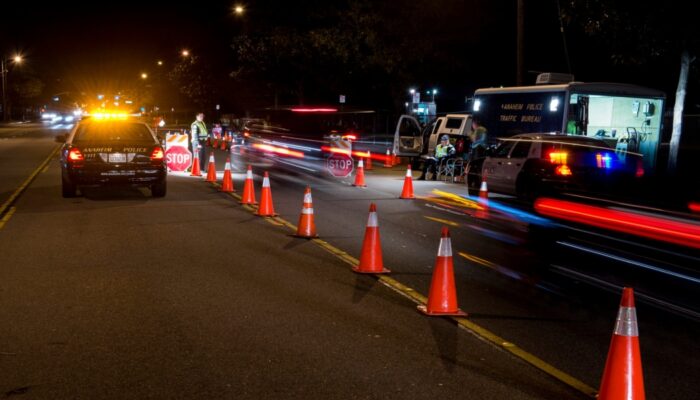
DUI checkpoints in Pennsylvania are legal, but only when police follow strict rules—and that’s where most of the confusion starts. Some drivers assume checkpoints are unconstitutional. Others think they have to answer every question or submit to every test. You don’t. This guide breaks down how checkpoints work, when they’re legal, what your rights are, and what happens if you’re arrested. And because holiday weekends, summer travel, and enforcement grants bring more patrols, checkpoints show up statewide more often than people realize.
Are DUI Checkpoints Legal in Pennsylvania?
The Short Answer — Yes, But Only Under Strict Conditions
Pennsylvania allows DUI checkpoints as a limited exception to normal Fourth Amendment rules. In most situations, police can’t just stop cars at random without reasonable suspicion. Checkpoints are different only when they’re run under a systematic, pre-approved plan—meaning officers aren’t freelancing or picking cars based on personal judgment.
The Legal Foundation Behind DUI Checkpoints
The U.S. Supreme Court has upheld sobriety checkpoints for public safety when properly conducted. Pennsylvania also adds extra protections through state case law and standards that make checkpoints more tightly regulated than in many other states. Bottom line: checkpoints can be legal, but only if they’re run the right way.
The Tarbert / Blouse Standard
Pennsylvania’s Checkpoint Test Explained Simply
For a DUI checkpoint to hold up in Pennsylvania, it generally must meet core requirements like these:
- Approved by police administration (not just officers on scene)
- Set at a fixed location
- Placed based on data and experience (areas/times linked to DUI incidents)
- Uses neutral stop criteria (like every 3rd car)
- Clearly marked and visible (signs, cones, lighting)
- Brief and minimally intrusive
- Public notice provided in advance
Why This Standard Matters for DUI Defense
If the checkpoint didn’t follow the rules, it may be unconstitutional. That can matter a lot, because an illegal checkpoint can support:
- Suppression of evidence
- Reduced charges
- In some cases, dismissal if key evidence gets thrown out
How DUI Checkpoints Operate in Pennsylvania
What Happens When You Approach a Checkpoint
Most checkpoints follow a predictable setup:
- Advance warning signs
- Cones, flares, lighting, patrol cars
- Vehicles stopped according to a preset pattern
- A short interaction intended to screen for impairment
What Officers Are Looking For
Officers are trained to look for quick indicators, including:
- Odor of alcohol or marijuana
- Slurred speech
- Bloodshot or glassy eyes
- Admissions (“I only had two”)
- Visible containers or paraphernalia
Your Legal Obligations at a DUI Checkpoint
What You Must Do
You generally must:
- Provide your driver’s license
- Provide registration
- Provide proof of insurance
- Exit the vehicle if an officer instructs you to
What You Are NOT Required to Do
You’re not required to:
- Answer questions about drinking or drug use
- Explain where you were or where you’re going
- Volunteer extra information
A smart approach is calm, polite, and minimal: provide ID/documents and keep your words tight.
Field Sobriety Tests and Breath Tests at Checkpoints
Field Sobriety Tests Are Voluntary in Pennsylvania
Field sobriety tests (walk-and-turn, one-leg stand, eye tests) are not legally required. Refusing them does not trigger an automatic penalty by itself. Officers may still arrest you if they believe they have probable cause—but you’re not obligated to perform these roadside exercises.
Preliminary Breath Tests vs. Chemical Tests
Not all “breath tests” are the same.
Roadside preliminary breath tests (handheld):
- Typically voluntary
- Used to help the officer decide whether to investigate further
Post-arrest chemical testing (breath/blood):
- Controlled by implied consent rules
- Refusal can trigger an automatic license suspension through PennDOT
If you want, I can write the next sections too (legal ways to avoid a checkpoint, what happens after arrest, and how checkpoint DUIs get challenged).
DUI checkpoints in Pennsylvania raise a lot of questions for drivers—especially about whether you can avoid them, what happens if you’re arrested, and how these cases get challenged. The answers matter, because small decisions made in seconds can have long-term legal consequences.
Can You Legally Avoid a DUI Checkpoint?
Yes — If You Do It Legally
You are allowed to avoid a DUI checkpoint in Pennsylvania as long as you follow traffic laws. You may:
- Make a legal U-turn
- Take an alternate route
- Turn into a driveway or side street
Police cannot stop you solely for avoiding a checkpoint. Avoidance alone is not reasonable suspicion.
When Avoiding a Checkpoint Can Get You Stopped
Avoidance becomes a problem when it involves a violation, such as:
- Illegal U-turns
- Failure to signal
- Reckless or abrupt driving
- Any traffic violation near the checkpoint
In those situations, officers can stop you for the violation—not for avoidance itself.
What Happens If You’re Arrested at a DUI Checkpoint
Arrests Often Happen After Minimal Interaction
Many DUI arrests at checkpoints happen fast and are based on:
- Admissions (“I had a couple drinks”)
- Refused or failed field sobriety tests
- Officer interpretation of speech, odor, or behavior
Checkpoints are meant for screening, not full roadside investigations—but arrests still happen quickly.
DUI Charges Can Escalate Quickly
Once an arrest occurs, things move fast:
- Alcohol, marijuana, or drug DUI charges may follow
- Chemical testing becomes an issue
- PennDOT license consequences begin on a separate timeline from court
Challenging a DUI Arrest From a Checkpoint
Common Legal Challenges
Checkpoint DUI cases are highly technical. Common issues include:
- Failure to meet Tarbert/Blouse requirements
- No advance public notice
- Improper or inconsistent stop criteria
- Excessive detention
- Unlawful expansion of the stop beyond screening
Suppression Motions Can Change the Case
If a court suppresses evidence:
- BAC or blood results may be excluded
- The prosecution may lose critical proof
- Charges may be reduced or dismissed
Checkpoint legality often determines the entire case.
DUI Checkpoints Increase During High-Enforcement Periods
When You’re Most Likely to Encounter One
Checkpoints are most common during:
- Thanksgiving (read our post about the surge of DUI’s on Thanksgiving)
- Christmas
- New Year’s
- Fourth of July
- Summer weekends
- PennDOT-funded enforcement campaigns
Why Enforcement Is So Aggressive
Police use checkpoints because of:
- DUI crash statistics
- State and federal grant funding
- Public safety initiatives
- Deterrence strategy during high-risk periods
What To Do If You’re Charged After a DUI Checkpoint
Act Quickly — Deadlines Matter
Key deadlines come fast:
- License suspension appeals
- ARD eligibility windows
- Evidence preservation and motions
Waiting can permanently limit your options.
Why Legal Representation Matters
Checkpoint cases require precision:
- Legality depends on strict procedures
- Small violations can invalidate the stop
- Early defense can protect your license and future
Conclusion: DUI Checkpoints Are Legal — But Your Rights Still Matter
DUI checkpoints are allowed in Pennsylvania, but only when strict rules are followed. Knowing your rights can:
- Prevent self-incrimination
- Preserve legal defenses
- Protect your driver’s license
Mistakes at checkpoints happen in minutes. The consequences can last for years. If you were stopped or arrested at a DUI checkpoint in Pennsylvania, speak with an experienced Pennsylvania DUI lawyer immediately. Whether the checkpoint was legal—and how the stop was handled—can make all the difference. We provide our law services throughout Pennsylvania as well as handling Philadelphia DUI cases.